“Is there anything so just and true in this world that it has the right to live?”
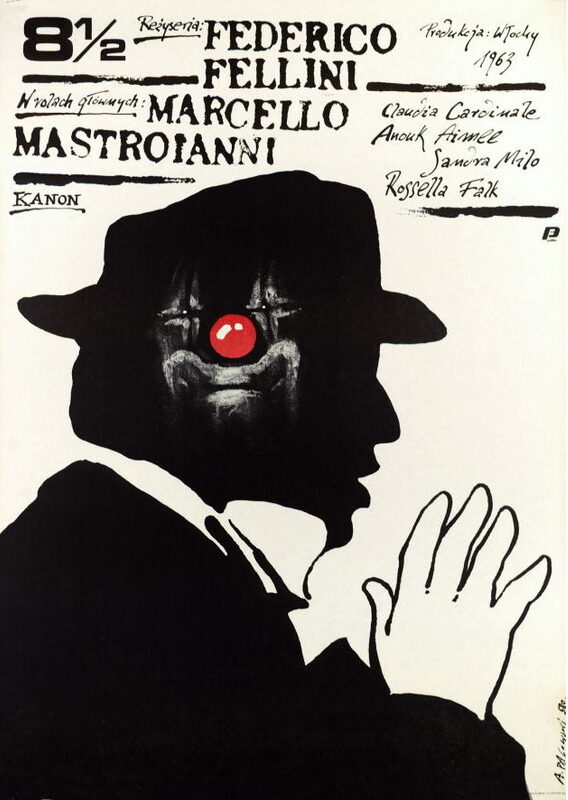
By the time Federicoo Fellini set out to make 8½, he had directed six full-length features and two anthology segments, which he counted as half a film each. He’d also co-directed his debut feature, Variety Lights, with Alberto Lattuada; another half. Thus 8½, a self-referential title that perfectly sets the viewers expectations for this self-indulgent work.
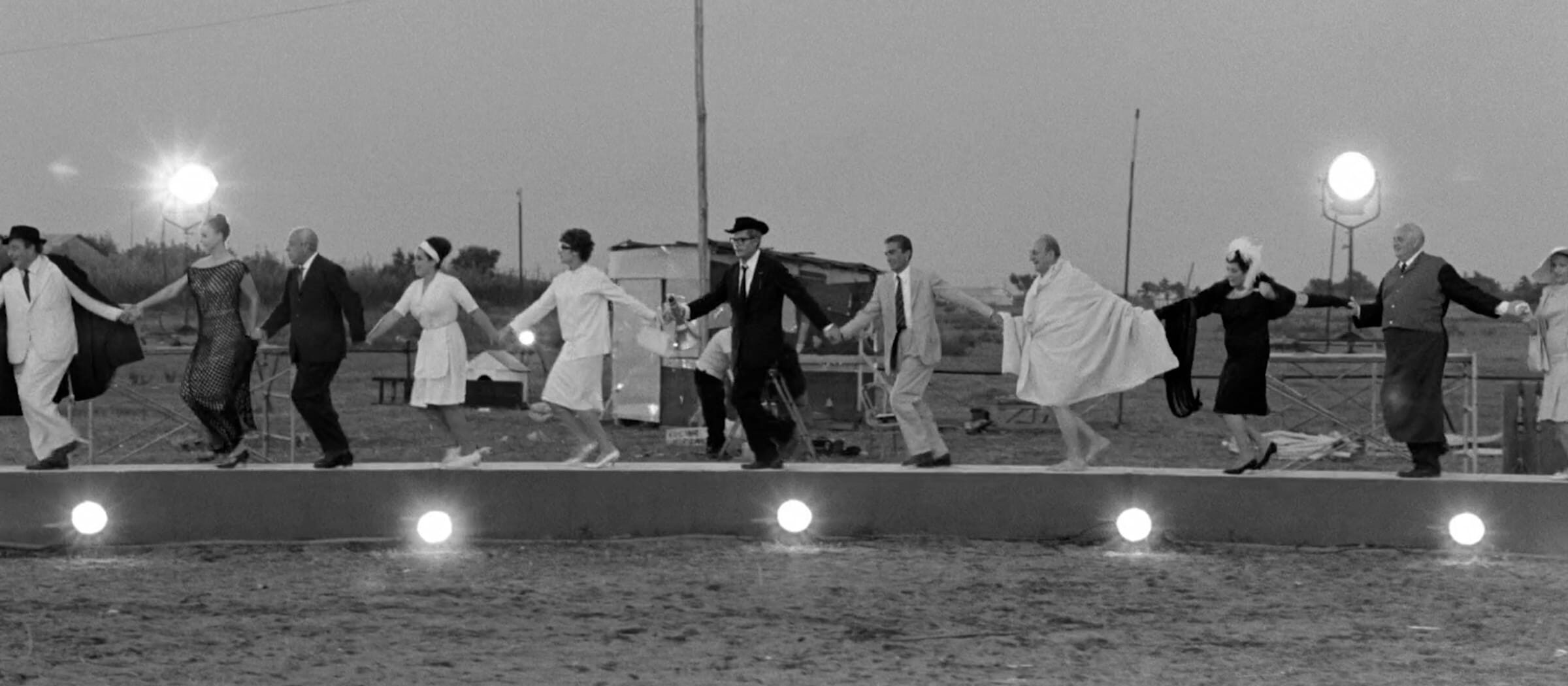
Using his own life as inspiration, Fellini casts Marcello Mastroianni as Guido, a filmmaker overseeing the production of an epic science fiction film that’s gotten out of hand amidst his personal and creative struggles. After opening with one of the most breathtaking dream sequences in cinema, which is by turns eerie and euphoric, Fellini begins plumbing the depths of his own ego with Jungian psychoanalytic tools in hand. His faith, his sexual desires, his betrayals, his uncertainties, his memories, his fantasies—anything and everything is fair game in this surreal excursion through the director’s interior life. Of particular note are a childhood encounter with a grotesque prostitute and a virtuoso nightmare in which Guido loses control of his harem of past, present, and future loves.
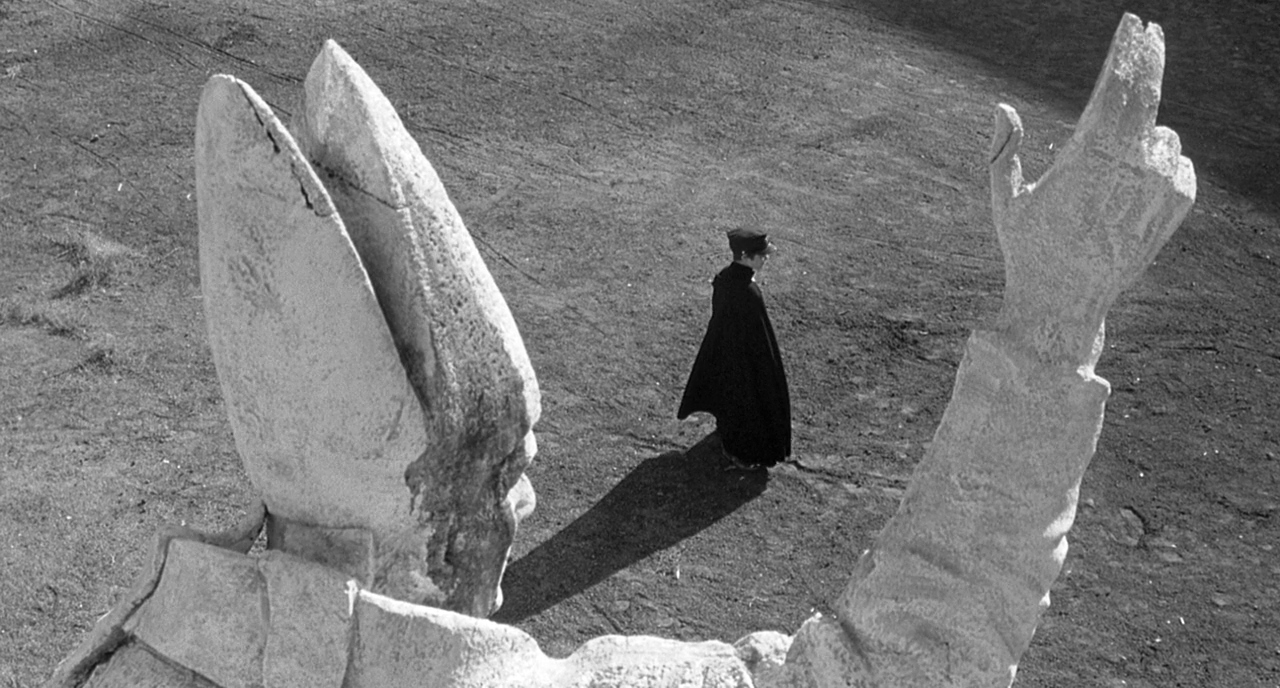
Unable to attain a sense of authenticity in any area of his life, Guido is eventually forced to admit, “I really have nothing to say, but I want to say it anyway.” It’s difficult not to interpret the comment as Fellini’s own. After all, the film centers on a man who’s run out of ideas. And yet, his creative constipation acknowledged, what sets 8½ apart from those works that took inspiration from it—Bob Fosse’s All That Jazz, Woody Allen’s Stardust Memories, Charlie Kaufman’s Synecdoche, New York—is Fellini’s ability to work his various obsessions into extremely potent dream images. Perhaps only Alejandro G. Iñarritu’s Bardo is able to match 8½ in terms of the visually surreal representation of its themes. In any case, though Fellini may have been conflicted about his lack of ideas, once he found a few scraps to work with, inspiration clearly took hold. The film is technically superb and painstakingly composed. Its subtle blending of fantasy and reality is astonishing, as it drifts between inner and outer realms and unfolds with the uncanniness of a predetermined dream.
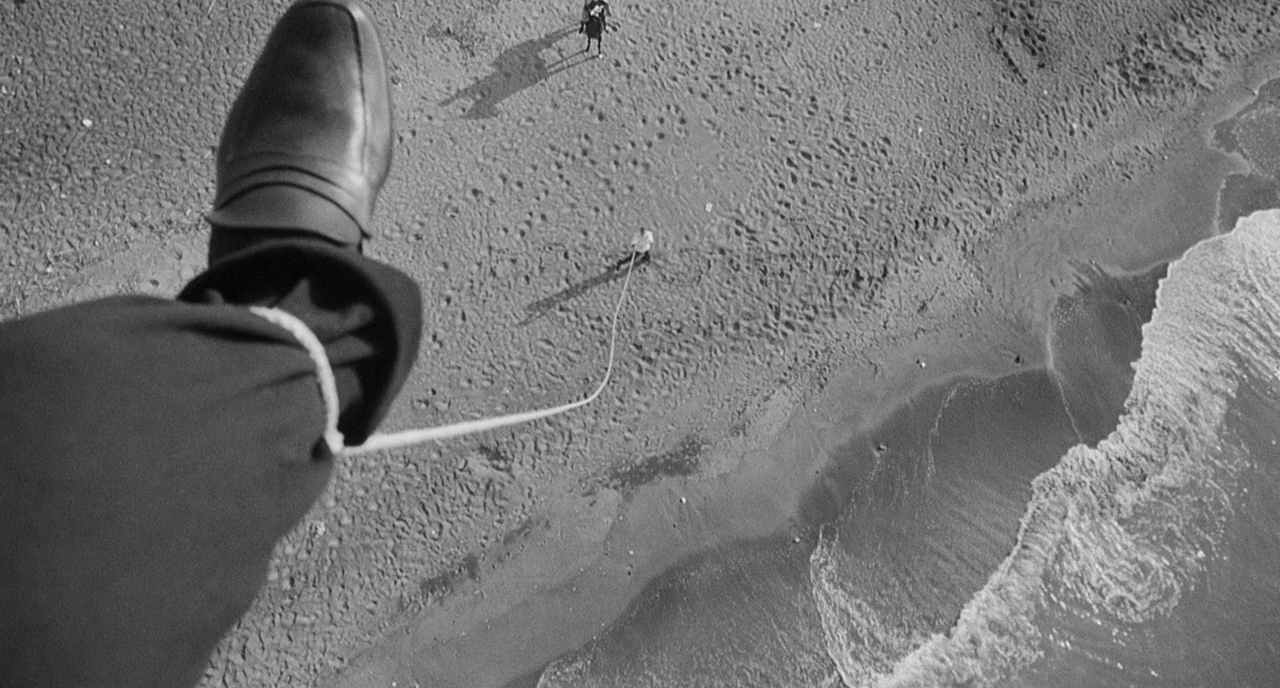
The film’s opening sequence—which begins with Guido stuck in a claustrophobic, unnerving traffic jam and ends with him floating in the air like a kite, a rope wrapped around his leg the only thing tethering him to the world—encapsulates the film’s supra-rational approach. However, as Steven D. Greydanus points out, unlike Ingmar Bergman’s dream sequences in Wild Strawberries, which sought to examine the director’s mind and soul with an eye toward absolution, the exercises in 8½ seem to use Fellini’s anxieties and manias as starting points for his reflection on the all-consuming nature of genuine artistic expression. The purpose of the film, then, is not alleviation of personal suffering, but self-referential indulgence. Where Bergman used his film as a platform for confronting his demons, Fellini uses 8½ to exploit his. But even if it lacks the deep spiritual catharsis of Wild Strawberries, 8½ follows a similar path back to childhood, where Guido finds an endless source of inspiration. The transformative epiphany that finally comes to him in a delirious dream state is that the people who demand his time and effort and artistically constrain him are the very same ones who inspire him to create art in the first place.