“You see, the truth will never kill you. Lies will.”
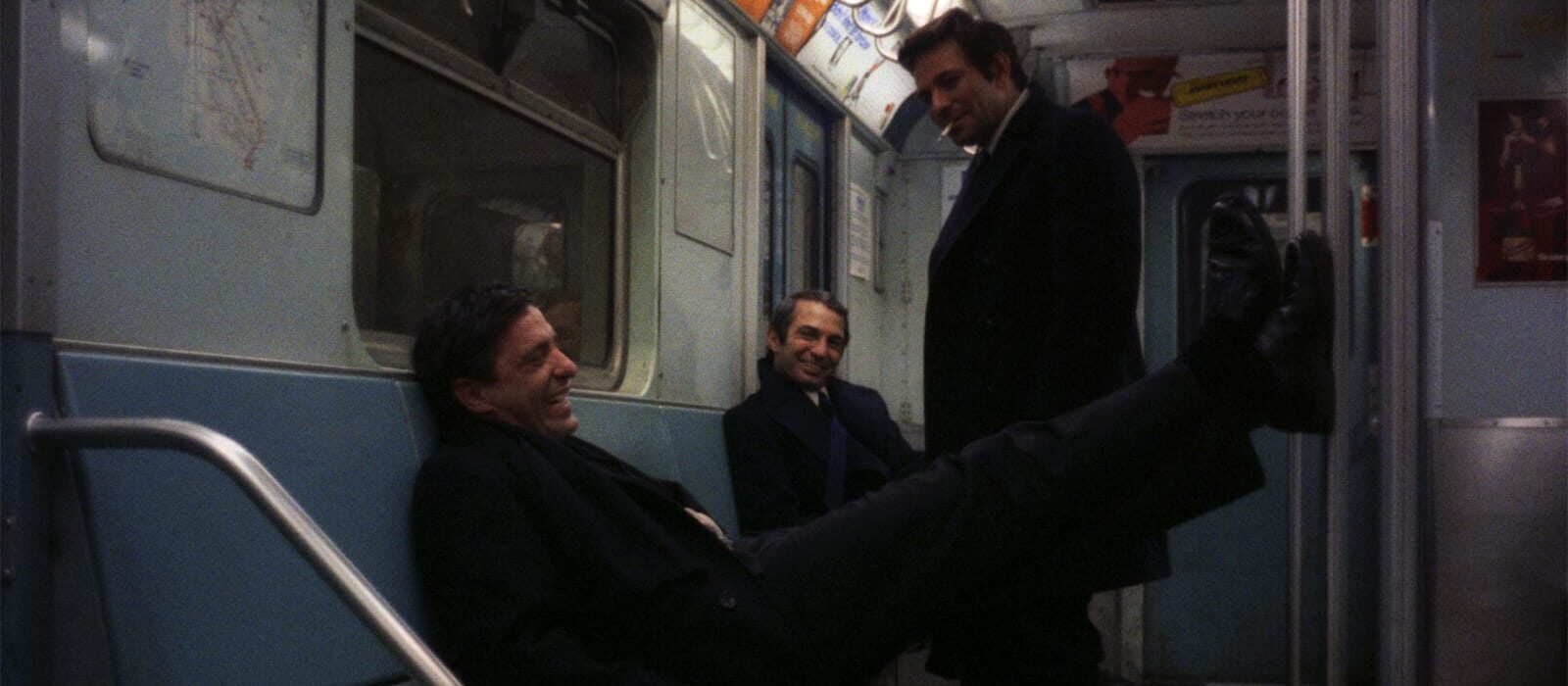
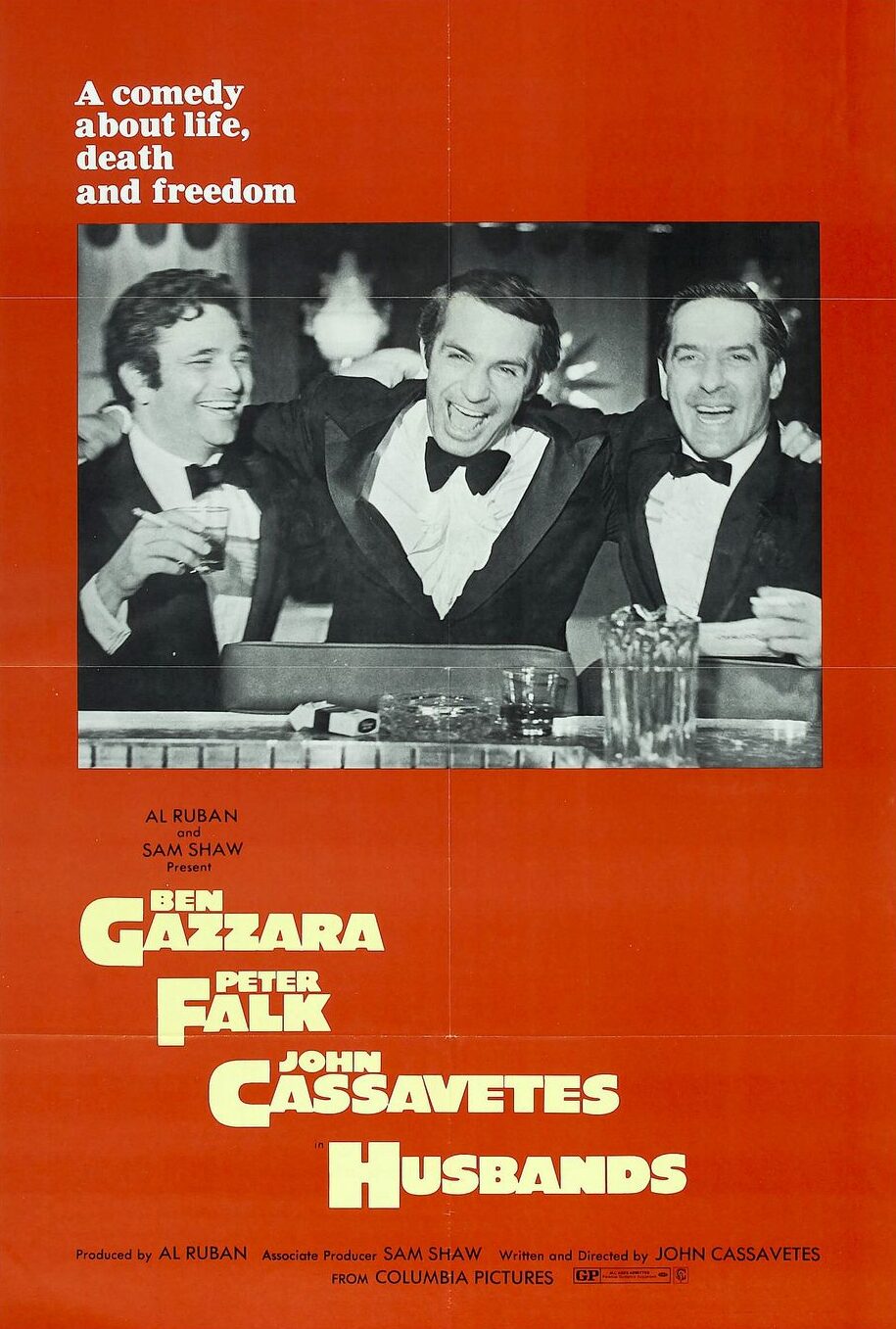
John Cassavetes’ entire body of work as a director is obstinately personal, which ensures that certain audiences—particularly those interested in his maverick approach—will continue connecting with his films and discussing them. Husbands, his “Comedy About Life, Death and Freedom,” is arguably his most extemporized picture and maybe his most self-indulgent as well. Inspired by the death of his brother, the film casts Cassavetes alongside Peter Falk and Ben Gazzara as a trio of unpleasant forty-something buddies who go on a bender after the funeral of a close friend. Ditching their families and jobs, in their grief they fumble around New York riding subways, swimming, playing basketball, bar hopping, vomiting in public restrooms, keeping a running conversation going that ambiguously dances around notions of morality and mortality and authenticity and brotherly love. Eventually they talk themselves into extending the impromptu trip by going to London for more shenanigans, including some awkward attempts at picking up women at a casino. Though Cassavetes’ unguided method of following his actors’ impulses and shooting the film like a cinéma vérité documentary only occasionally produces compelling material here, it does leave the viewer with an appreciation for the freedom inherent in his brand of independent filmmaking. Indeed, it showed enough hints of the potential magic that could result from working with Falk and Gazzara that he would frequently collaborate with them for the rest of his career, resulting in magnificent films like A Woman Under the Influence, The Killing of a Chinese Bookie (both directed by Cassavetes), and Elaine May’s magisterial Mikey and Nicky.