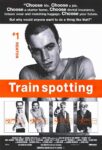
Trainspotting
Trainspotting is as rhythmically entertaining as it is edgy and repulsive.

Perhaps the most unsettling element of Zero Day is Coccio’s decision to leave the motives ambiguous, to suggest that the kids themselves don’t fully understand what drives them to commit such heinous crimes.
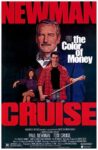
Though neither a top-tier Martin Scorsese film nor a totally worthy follow-up to The Hustler (1961), The Color of Money does enough with its three principal characters and its flashy presentation of nine-ball pool to at least warrant a footnote in the annals of the sports drama canon.

There are passages of genuine beauty and joy and weirdness and sadness here, and Lindelof is trying to blaze a generally interesting trail, but all of it feels so calculated, unnatural, and unfelt by its writer.

There’s something universally compelling about humanity’s desire to conquer time and death that make Frequency feel wholesome and life-affirming.

In an era when a conceptually interesting series is much needed to combat the effects-laden vehicles that pass as “sci-fi” today, it’s a shame that something with a neat idea ended up so bad.