Brazil
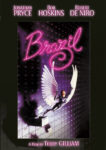
Brazil is a love letter to the unpredictability of the human spirit, an excoriation of the feckless systems that try to bridle it, and an encouragement to fight for the freedom to live, dream, and dissent as you please.
Brazil is a love letter to the unpredictability of the human spirit, an excoriation of the feckless systems that try to bridle it, and an encouragement to fight for the freedom to live, dream, and dissent as you please.

There are passages of genuine beauty and joy and weirdness and sadness here, and Lindelof is trying to blaze a generally interesting trail, but all of it feels so calculated, unnatural, and unfelt by its writer.

This dive into the psychological depths of a human mind in isolation is what elevates I Am Legend far above a mere “vampire story” and into a classic of the genre that frequently wanders outside of its bounds to excellent result.

I don’t care that it’s inaccessible and pessimistic; it’s bold and exciting filmmaking, and that’s always worth paying attention to.

Heinlein’s pulpy writing style is very fresh and witty, intelligent yet refraining from self-seriousness.

The planet of Treason is a wonderful stage upon which we can examine humanity’s tendencies, from patriotism and desire for social acceptance to our relationship to technology.
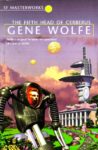
The story cycle’s richly envisioned, multi-layered scenario, and Wolfe’s ability to unsettle with playful and obscure language, make it terrifically memorable.
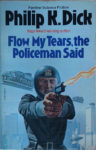
If taken at face value as a throwaway PKD meditation on the nature of reality it is adequate. Dick’s novels are always about ideas. Not sentence construction, dialogue, pacing, or narrative cohesion.

The free-flowing story—where plans change, events catch the characters off guard, and the situation is evolving moment by moment—is captured perfectly by the raw, documentary-style camerawork.