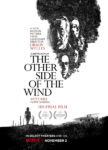
The Other Side of the Wind
There’s certainly a mystique that draws one to its many unwieldy contours and jagged edges, but searching for deeper meanings and comprehending its lasting value is a tall task.
There’s certainly a mystique that draws one to its many unwieldy contours and jagged edges, but searching for deeper meanings and comprehending its lasting value is a tall task.
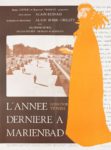
It explores the mnemonic tendencies of the human mind, our idiosyncratic mix-ups of random facts and details, the way our memories often replay out of order, repeat themselves, and morph into falsity over time.

The bold narrative choices and the sacrifice of some James Bond action heroics are worth it, leaving us with the strongest James Bond outing yet, and serving as the source material for one of the best Bond films.

Vantage Point is a perfect case of a film that tries to convince you that it is super smart, but it’s not.
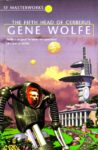
The story cycle’s richly envisioned, multi-layered scenario, and Wolfe’s ability to unsettle with playful and obscure language, make it terrifically memorable.
The chronological order of events is much less compelling than the way Anderson presents them.
Linklater simply wants us to listen and observe, rather than to actively show us or tell us anything.

The ultimate thrust of the book is the act of leaving one’s own unique thumbprint on the history of mankind—through music, writing, building, raising children, teaching, loving, helping.
piecing together these fractured thoughts imparts more than the family melodrama that provoked them.
By presenting the journey from varying perspectives, the circuitous story weaves a robust, if messy, emotional tapestry.