“Life is water, not stone.”
“Then I suppose I will drown.”
The only two glaring flaws of Rome are the mad-rush pacing of its second season and its unsatisfying conclusion, both of which stem directly HBO’s shortsighted decision to prematurely cancel the series after only two of a planned five seasons—an unfortunate habit that also affected excellent shows like Deadwood and Carnivàle. Otherwise, this bloodthirsty sword-and-sandals epic from the minds of John Milius, William J. MacDonald, and Bruno Heller is incredibly compelling longform storytelling; a mixture of high drama and high camp, grit and decadence, incorporating political machinations, brutal warfare, assassinations, illicit affairs, arranged marriages, slavery, drugs, pagan gods, and ritual sacrifices—oh, and lots and lots of sex, orgies included.
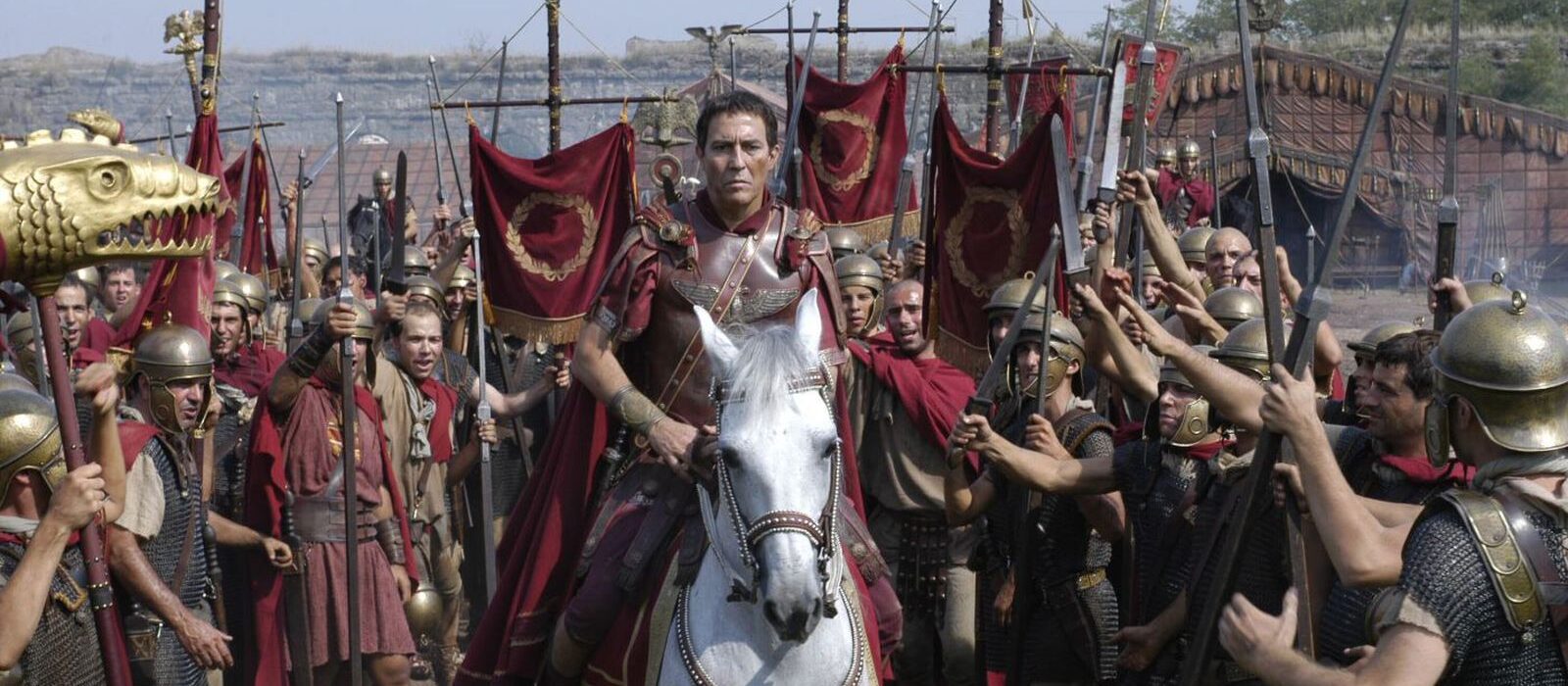
Leading the cast are two centurions, the righteous-minded Lucius Vorenus (Kevin McKidd) and the worldly Titus Pullo (Ray Stevenson), who were briefly mentioned in the preserved personal writings of Gaius Julius Caesar (Ciarán Hinds). These two soldiers have been through untold skirmishes and come to trust one another unconditionally, even if they sometimes want to gut each other. It is through their eyes that we see the downtrodden members of society, and through their malleable stories that we brush shoulders with historically significant figures such as Mark Antony (James Purefoy), Brutus (Tobias Menzies), Octavian (Max Pirkis/Simon Woods), Cicero (David Bamber), Cato (Karl Johnson), and Cleopatra (Lyndsey Marshal).
As with many HBO productions, though, it is the depth of the cast and the multiple concurrent storylines that generate momentum. The soap opera rivalry between the semi-fictional Atia of the Julii (Polly Walker) and Servillia of the Junii (Lindsay Duncan), the harrowing secret of Vorenus’ wife Niobe (Indira Varma), the desperate plights of Octavia (Kerry Condon), the disillusionment of the Jew Timon (Lee Boardman), Vorenus and Pullo’s various dealings with underworld gangs—all of these are engaging in their own right, but become sublime when combined in a long-running fashion.
Unfortunately, as the showrunners knew the second season would be the last, events planned for seasons three and four were telescoped into the storyline, resulting in a headlong rush through a potted history that sees years pass between episodes and the public newsreader (Ian McNeice) quickly recapping events we might have witnessed if HBO and the BBC had been able to financially support the entire planned production. Alas, faithfully recreating Ancient Rome and bankrolling a sprawling cast ain’t cheap, else we might have seen Rome continue up to the conversion of Constantine. At least it proved that prestige television could include a surplus of shocking sex and violence—that is to say, it served as a template that the network would soon follow with the production of Game of Thrones, not to mention imitators from later years like Vikings and Britannia.