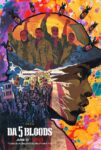
Da 5 Bloods
“After you’ve been in a war, you understand it never really ends.”
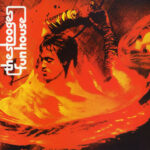
Fun House actualized the claims that rock ‘n’ roll was the devil’s music. As crystal-clear a death knell of the utopian-minded 1960s as anything.
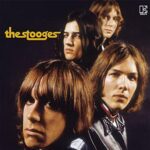
“Professional” bands of the time would have sanded off all those rough edges to make their sound more palatable. But the Stooges intuited that raw and rowdy could be the essence of their craft a decade before it became voguish to do so.

It forces the audience to assume the roles of both victim and perpetrator, and its sustained horror remains firmly lodged in the mind long after the jump scares and gore of a regular horror film would have faded from memory.

Bresson hasn’t yet freed himself from convention in the way he would in his subsequent efforts.
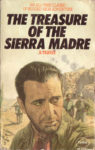
Although it doesn’t have the charm of John Huston’s film, its exploration of the psychology of greed—and how repeatedly succumbing to such avarice can lead to the corruption and destruction of both the individual and society—is worthy enough on its own merit.

Nabokov creates new words and organizes others into phrases that were likely never uttered before.

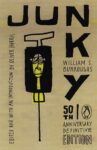
There’s plenty of other hippie/stoner/loner/existentialist/nihilist literature with more substance than this.

Gritty in detail, creative in structure, delightfully verbose; McCarthy’s grasp of the English language is breathtaking.